
Avoiding Common Pitfalls in Industrial Real Estate Investments
Understanding the Industrial Real Estate Market
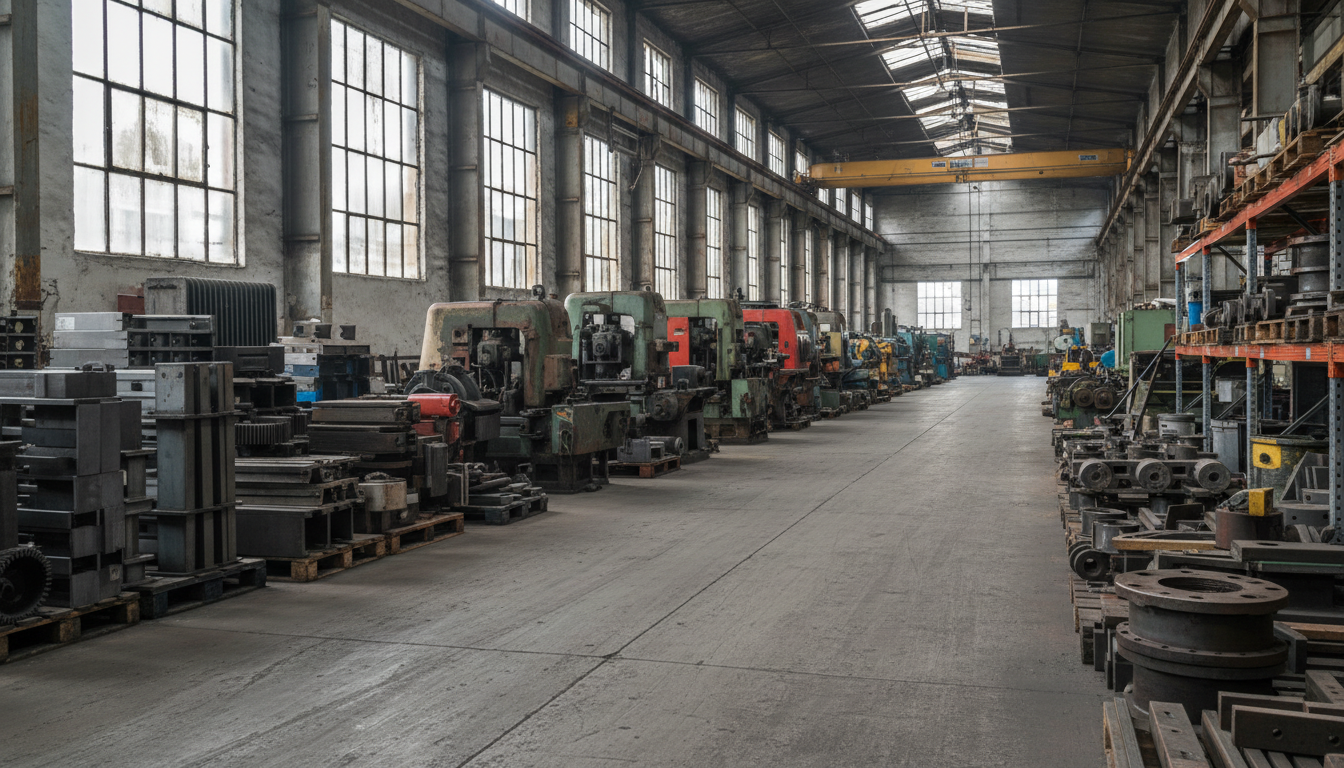
The industrial real estate market is a lucrative sector that attracts investors from various backgrounds. However, it's crucial to understand the unique dynamics that differentiate it from other real estate segments. Industrial properties are used for manufacturing, distribution, and storage, which means their value is heavily influenced by economic factors that affect these industries.
Research and Due Diligence
One of the most common pitfalls in industrial real estate investment is inadequate research. Proper due diligence involves understanding not only the property but also the local market conditions. Investors should examine factors such as zoning laws, environmental regulations, and proximity to major transportation hubs. Thoroughly researching these aspects can prevent costly mistakes.
Location and Accessibility
Location is a critical factor in the success of an industrial property investment. Properties located near major highways, ports, or airports often offer better returns due to easier access for transportation and logistics companies. Investors should prioritize locations that enhance operational efficiency for potential tenants.

Evaluating Property Condition
Another common mistake is failing to assess the physical condition of the property. Industrial buildings often require specific features such as high ceilings, loading docks, and reinforced floors. An inspection by a qualified professional can reveal hidden issues that might require significant investment to address.
Financing and Budgeting
Proper financing and budgeting are crucial to avoid financial pitfalls. Investors should have a clear understanding of the costs involved, including maintenance, taxes, and potential upgrades. It's important to create a realistic budget and seek financing options that offer favorable terms to maximize returns.

Understanding Tenant Needs
Successful industrial real estate investments often hinge on attracting and retaining the right tenants. Understanding the specific needs of potential tenants, such as space requirements and lease terms, can help in structuring deals that are mutually beneficial. Lease flexibility can often be a deciding factor for tenants.
Market Trends and Future Planning
Keeping an eye on market trends is essential for long-term success. Industrial real estate is influenced by technological advancements and changes in consumer behavior. For instance, the rise of e-commerce has increased demand for distribution centers. Investors should plan for future shifts to stay ahead of the curve.

Conclusion
Investing in industrial real estate can be highly rewarding, but it requires careful planning and awareness of potential pitfalls. By thoroughly researching the market, evaluating properties, understanding tenant needs, and planning for the future, investors can navigate this complex landscape successfully. Avoiding these common pitfalls will help ensure a prosperous investment journey.