
Case Study: Successful Industrial Space Optimization Projects in Lakeland
Introduction to Industrial Space Optimization
In the bustling industrial hub of Lakeland, space optimization has become a crucial focus for businesses looking to enhance efficiency and productivity. The growing demand for better-utilized spaces has led to innovative projects that transform traditional industrial settings into modern, efficient environments.
Successful space optimization involves strategic planning and the implementation of cutting-edge solutions. This case study explores several noteworthy projects in Lakeland that have set benchmarks in industrial space management.
Project One: Streamlining Warehouse Operations
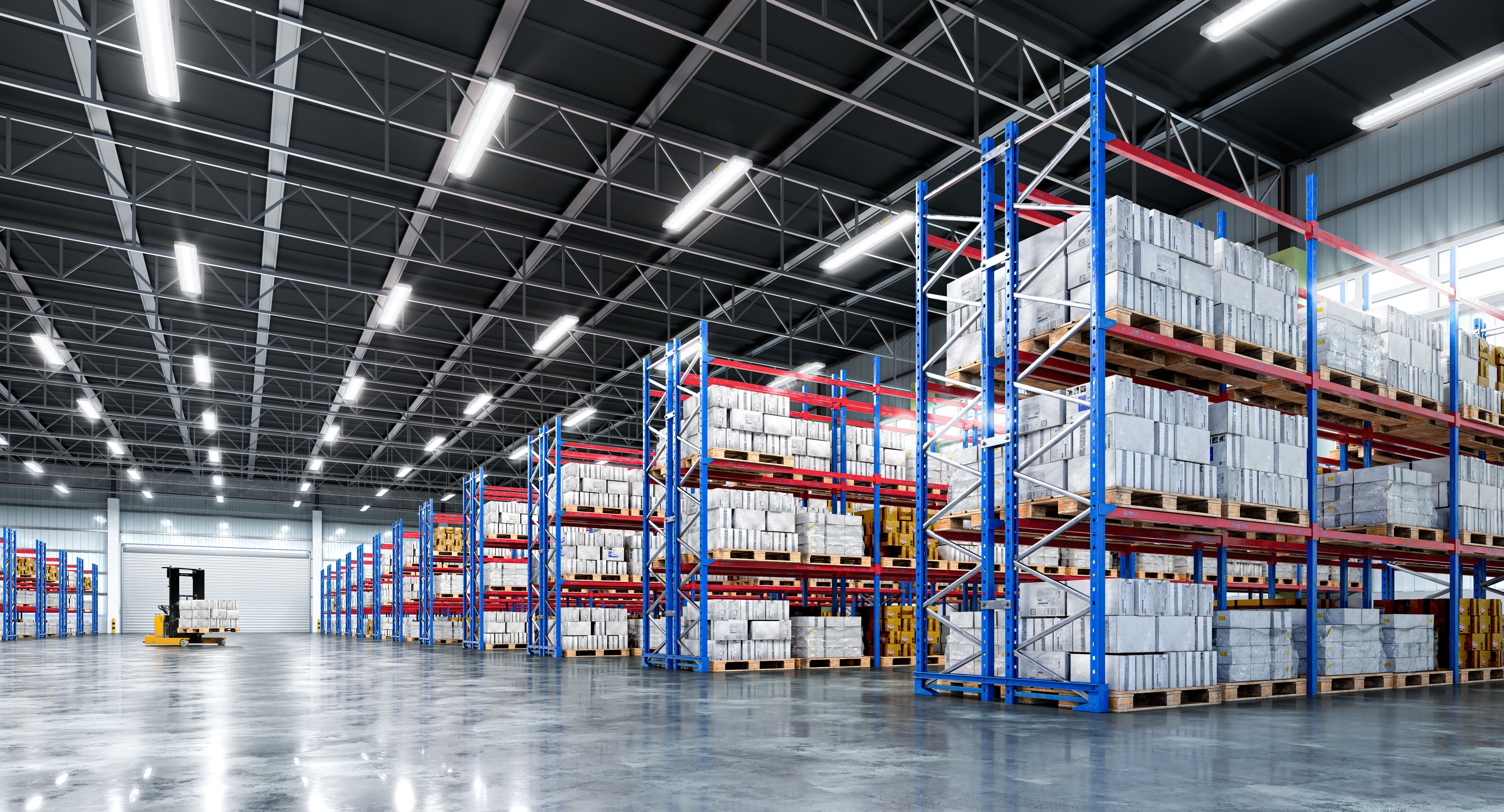
One of the standout projects in Lakeland involved a large-scale warehouse that faced issues of overcrowding and inefficiency. By implementing vertical storage solutions and automated retrieval systems, the facility was able to increase its storage capacity by 30% without expanding its physical footprint.
The introduction of smart inventory management systems further enhanced operational efficiency, reducing retrieval times by 40%. These advancements not only improved workflow but also significantly cut down on labor costs.
Project Two: Manufacturing Floor Transformation
Another impressive project focused on optimizing a manufacturing plant's floor space. By reconfiguring machinery layout and incorporating flexible manufacturing systems, the plant increased its production capacity while freeing up 25% of the floor space for additional operations.

This transformation allowed the facility to adapt quickly to changing production needs, ultimately boosting its competitiveness in the market. The use of modular equipment also facilitated rapid reconfiguration, supporting a more agile production process.
Project Three: Sustainable Solutions in Logistics
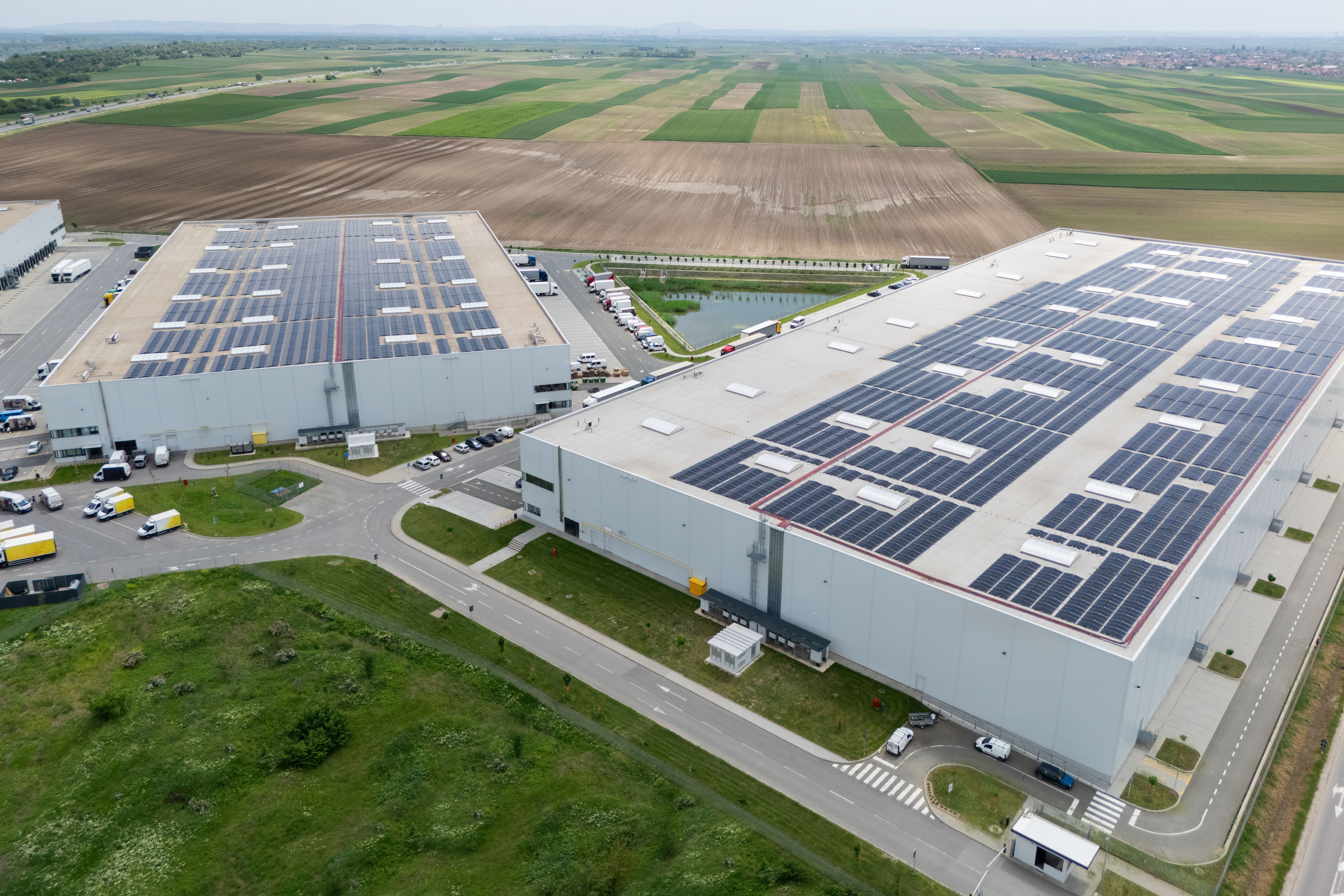
Sustainability has become a key consideration in industrial space optimization. A logistics company in Lakeland revamped its distribution center by integrating eco-friendly practices and energy-efficient designs. The project included the installation of solar panels and LED lighting, reducing energy consumption by 20%.
Additionally, the redesign improved natural light utilization and ventilation, creating a healthier working environment for employees. These changes not only enhanced operational efficiency but also underscored the company's commitment to sustainability.
Key Takeaways
These projects demonstrate that successful industrial space optimization requires a combination of innovative solutions, strategic planning, and a focus on sustainability. By embracing advanced technologies and sustainable practices, businesses can achieve significant improvements in efficiency and productivity.
Key benefits observed across these projects include:
- Increased storage and production capacity
- Reduction in operational costs
- Enhanced workplace safety and employee satisfaction
- Commitment to environmental responsibility
Conclusion
The case studies from Lakeland serve as inspiring examples of how industrial spaces can be transformed to meet modern demands. As industries continue to evolve, the importance of space optimization will only grow, making it a vital component of business strategy.
By learning from these successful projects, other businesses can adopt similar strategies to maximize their own operational potential while contributing to a more sustainable future.