
Lakeland Industrial Real Estate: Common Misconceptions Debunked
Understanding Lakeland Industrial Real Estate
When it comes to industrial real estate in Lakeland, several misconceptions can cloud the judgment of potential investors and business owners. It's essential to separate fact from fiction to make informed decisions. Let's explore some common misunderstandings and provide clarity.
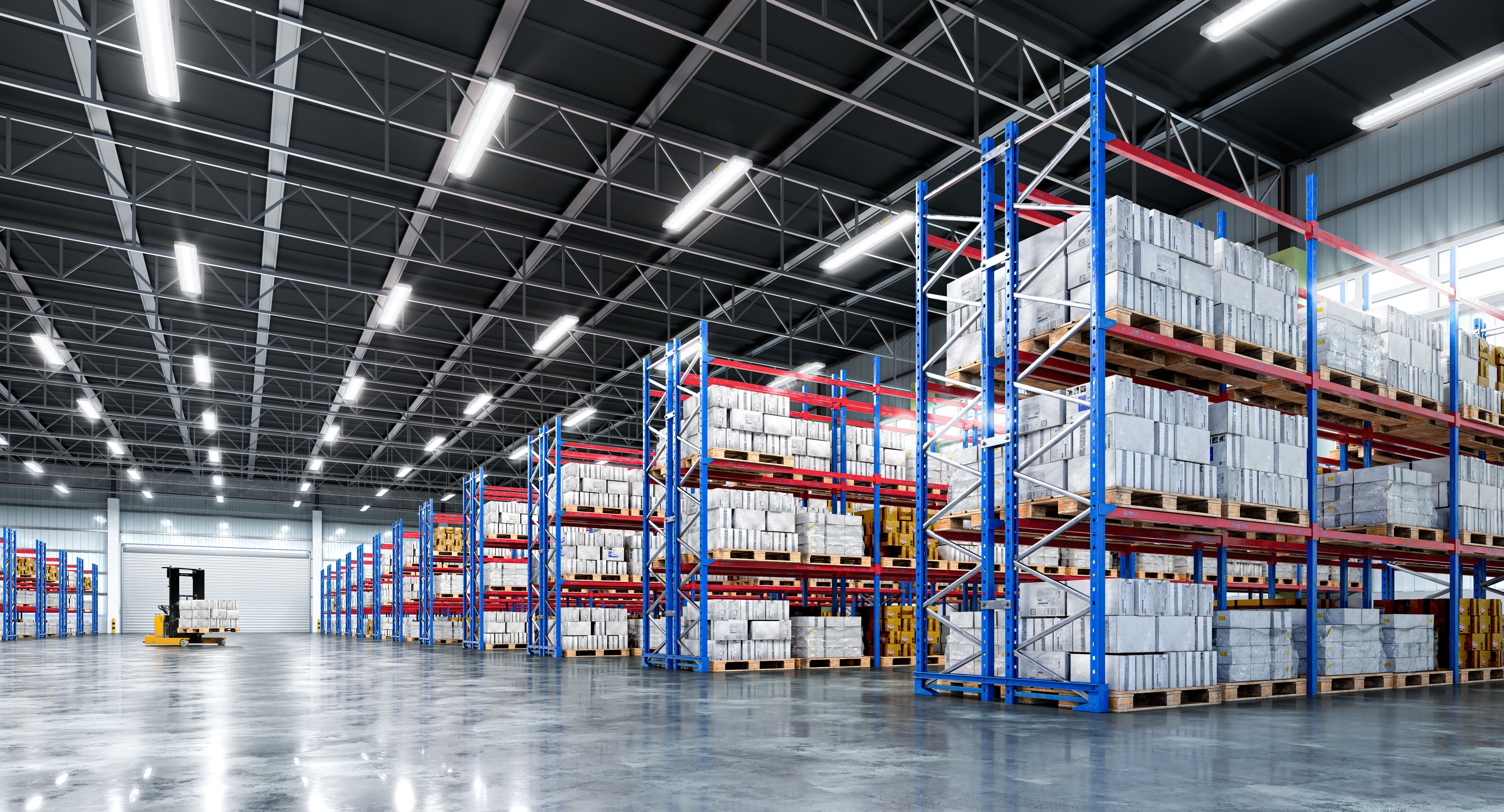
Misconception 1: Industrial properties are outdated and unappealing. While some may envision old warehouses, the truth is that many industrial spaces in Lakeland are modern, well-maintained, and equipped with state-of-the-art facilities. These properties are designed to meet the diverse needs of today's businesses.
Location and Accessibility
Misconception 2: Lakeland is too remote for business
Some believe Lakeland is too isolated to support industrial activity effectively. However, Lakeland is strategically located between major cities, making it an ideal hub for distribution and logistics. Its proximity to major highways and ports enhances accessibility, benefiting businesses that require efficient transportation options.
Moreover, the local government has invested in infrastructure improvements, further enhancing the area's connectivity. These developments have made Lakeland a prime location for industrial growth.

Costs and Investments
Misconception 3: Industrial real estate is prohibitively expensive
Another common belief is that industrial properties in Lakeland are too costly to invest in. In reality, Lakeland offers competitive pricing compared to other major industrial hubs. Investors can find a range of properties suiting different budgets without compromising on quality or location.
Additionally, the potential for high returns makes investing in Lakeland's industrial real estate an attractive option. Understanding market trends and working with experienced local agents can help investors make wise choices.

Environmental Impact
Misconception 4: Industrial properties are environmentally unfriendly
Many assume that industrial facilities have a negative environmental impact. However, Lakeland's industrial sector is increasingly focused on sustainability. New developments often incorporate eco-friendly technologies and practices to minimize their carbon footprint.
From solar panels to energy-efficient lighting, many industrial properties are designed with sustainability in mind. This commitment not only benefits the environment but also reduces operational costs for businesses.

Conclusion: Making Informed Decisions
Understanding the realities of Lakeland industrial real estate is crucial for anyone considering entering this market. By debunking these misconceptions, potential investors and business owners can approach opportunities with a clearer perspective.
Whether you're looking to invest or expand your business, Lakeland offers a promising landscape that combines strategic location, modern facilities, and sustainable practices. With the right information, you can capitalize on the opportunities this dynamic market presents.