
Navigating the Industrial Real Estate Market: Expert Insights and Trends
Understanding the Industrial Real Estate Market
The industrial real estate sector is experiencing a dynamic transformation. As businesses adapt to new economic realities, the demand for industrial spaces such as warehouses, distribution centers, and manufacturing facilities has surged. Understanding the nuances of this market is essential for investors and businesses looking to capitalize on these opportunities.
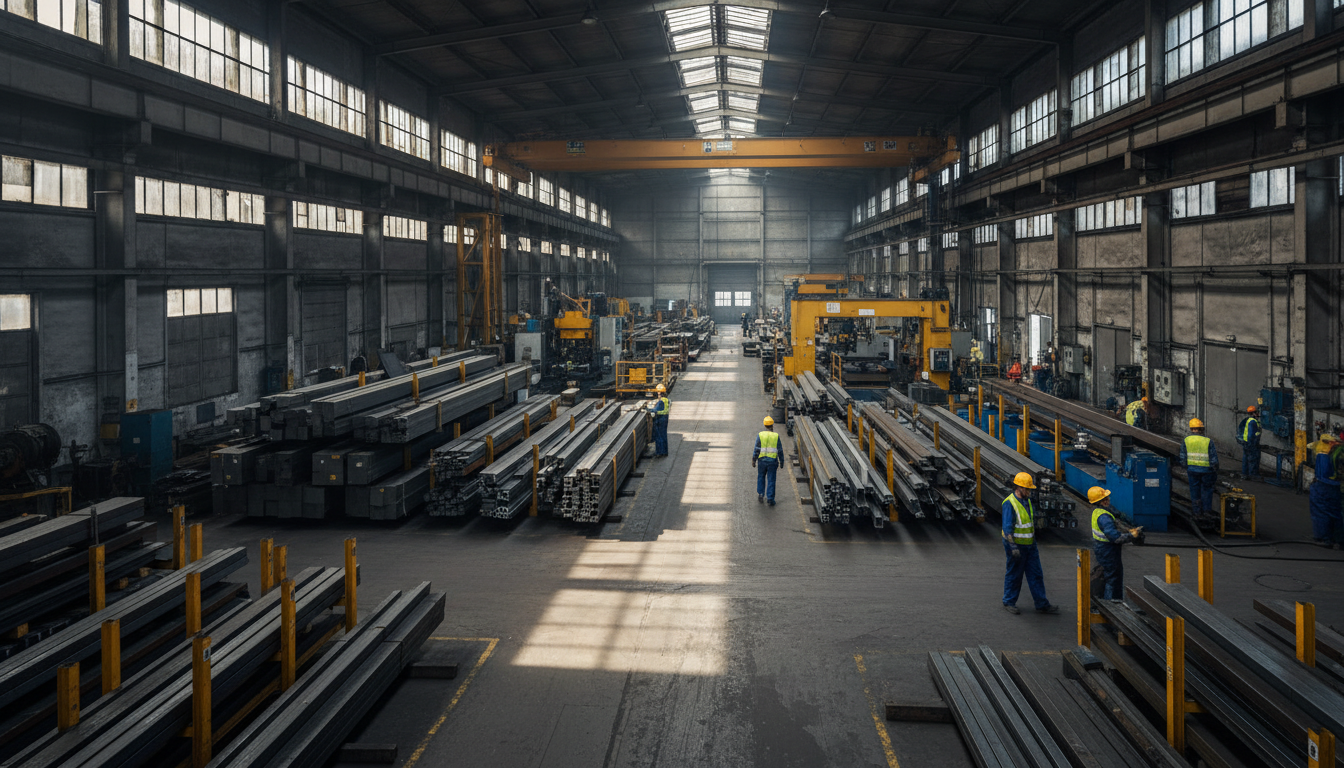
One of the primary drivers of growth in industrial real estate is the boom in e-commerce. With online shopping becoming the norm, companies are racing to optimize their supply chains, leading to increased demand for strategically located distribution centers.
Key Trends Shaping the Market
A notable trend in the industrial sector is the integration of technology. Facilities are becoming smarter, with advanced logistics systems and automated processes enhancing efficiency. This technological evolution not only improves operational capabilities but also attracts tech-savvy tenants.
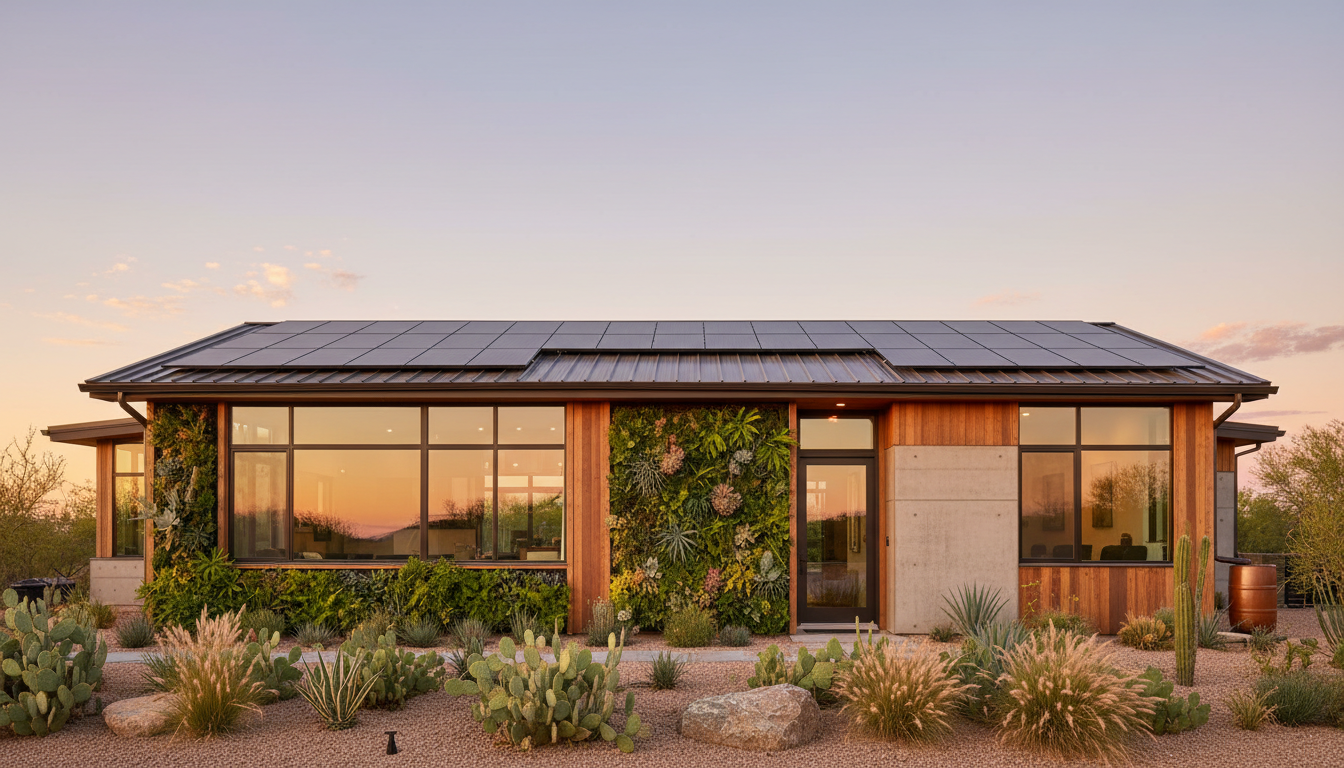
Another key trend is the focus on sustainability. More companies are seeking eco-friendly industrial spaces, prompting developers to incorporate green building practices. Sustainable facilities not only reduce environmental impact but also offer cost savings in the long term.
Expert Insights on Investment Strategies
Investing in industrial real estate requires a strategic approach. Experts suggest focusing on locations with strong transportation links and proximity to urban centers. These areas offer the dual benefits of accessibility and high demand.
Flexibility is another crucial factor. Industrial spaces that can be easily adapted to different uses or scaled up as businesses grow are particularly attractive. Investors should seek properties that offer versatile layouts and the potential for expansion.
Challenges in the Industry
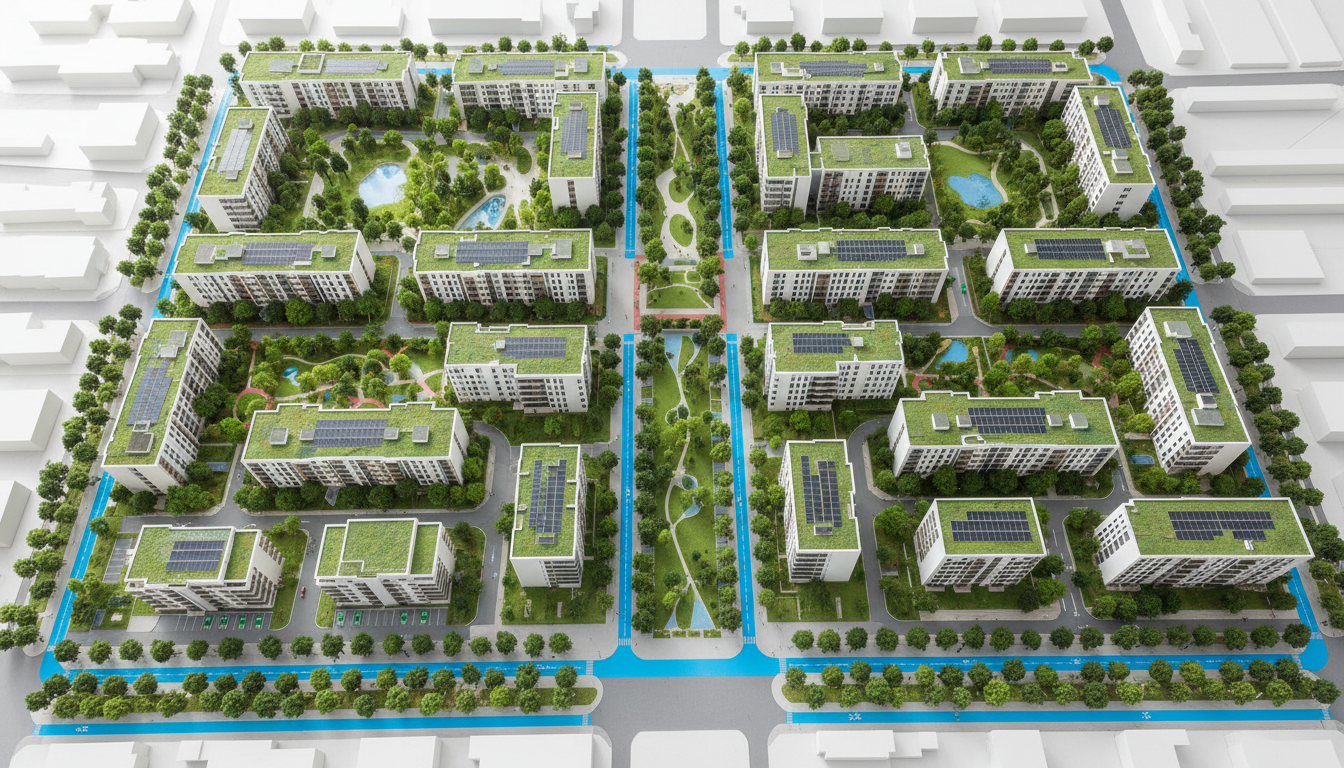
Despite the promising trends, the industrial real estate market is not without challenges. Zoning regulations and land availability can pose significant obstacles for developers and investors. Navigating these challenges requires a deep understanding of local policies and strategic planning.
Additionally, the rapid pace of technological advancement means that facilities can quickly become outdated. Keeping up with technological trends is essential to maintaining the value and appeal of industrial properties.
Conclusion: Navigating Future Opportunities
The industrial real estate market presents numerous opportunities for those equipped with the right knowledge and strategies. By staying informed about current trends and challenges, investors and businesses can effectively navigate this evolving landscape.
As the sector continues to grow, those who can adapt to changes and anticipate future needs will be best positioned to thrive. Whether you're an investor, developer, or business owner, understanding the complexities of the industrial real estate market is key to unlocking its potential.