
Preparing Your Industrial Property for Seasonal Changes in Lakeland
Understanding the Impact of Seasonal Changes
Preparing your industrial property in Lakeland for seasonal changes is crucial to maintaining its functionality and safety. The transition from one season to another can bring a host of environmental challenges that may affect your operations. From fluctuating temperatures to increased humidity, each season presents its unique set of conditions.
Planning ahead ensures that your property remains resilient against these changes. By proactively addressing seasonal variables, you can minimize disruptions and protect your investments. Here are some essential steps to ensure your industrial property is ready for any seasonal shift.
Conducting a Comprehensive Inspection
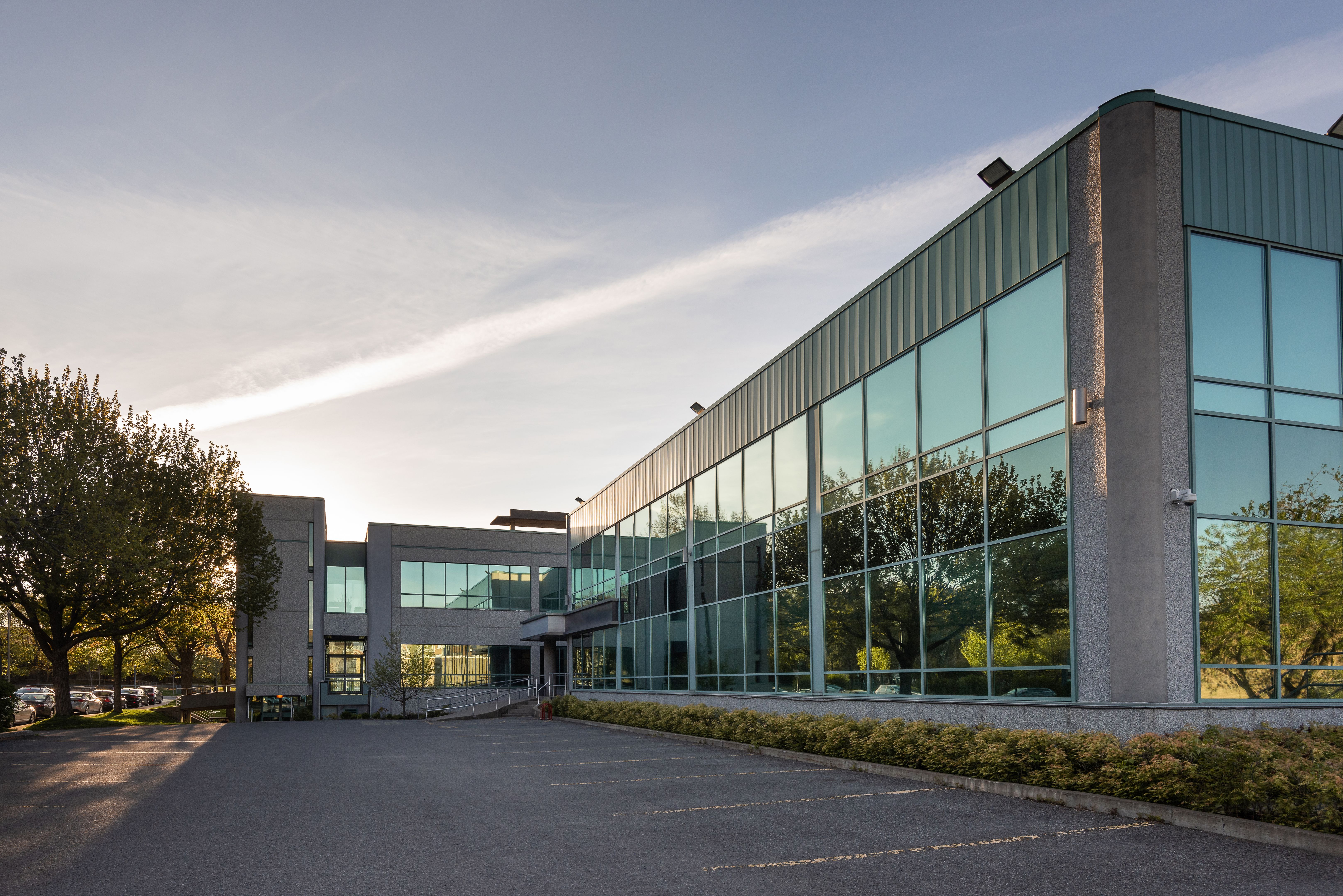
Before the onset of any seasonal change, conduct a thorough inspection of your property. This includes checking the integrity of roofs, walls, and foundations. Look for signs of wear and tear that could become problematic under harsh weather conditions.
Pay special attention to drainage systems. Ensure gutters and downspouts are clear of debris to prevent water accumulation, which can lead to structural damage. Regular inspections help identify potential issues early, allowing for timely repairs.

Preparing for Temperature Variations
Temperature fluctuations in Lakeland can be significant. Insulate your property to maintain a stable indoor temperature, which is vital for both employee comfort and equipment performance. Consider energy-efficient solutions such as upgraded HVAC systems to manage heating and cooling costs effectively.
Additionally, ensure all windows and doors are sealed properly to prevent drafts. This not only conserves energy but also maintains a consistent indoor environment, reducing the strain on your HVAC systems.

Managing Seasonal Moisture
Humidity levels in Lakeland can rise dramatically with seasonal changes. To combat this, use dehumidifiers and ventilation systems to control moisture levels. Excessive humidity can lead to mold growth and equipment rust, which can be costly to address.
Implementing a moisture management plan helps protect your property and ensures a healthy environment for your workforce. Regular monitoring will help you anticipate changes and adjust your systems accordingly.
Enhancing Safety Measures
With each season comes different safety challenges. For instance, wet floors during rainy seasons can be a slipping hazard. Ensure that safety signs are in place and that non-slip mats are used where necessary.
Train your staff on seasonal safety protocols to minimize the risk of accidents. Regular safety drills can help maintain a culture of awareness and preparedness, keeping your workforce safe year-round.

Updating Maintenance Schedules
Seasonal changes often require adjustments to your maintenance schedules. Review and update these schedules to account for additional tasks such as HVAC servicing before summer or winter, and roof inspections after storms.
Maintaining a proactive maintenance strategy ensures that your property remains in optimal condition, preventing costly repairs and downtime.
Leveraging Technology for Efficiency
Utilize technology to monitor and manage your property's response to seasonal changes. Smart sensors and IoT devices can provide real-time data on temperature, humidity, and other environmental factors, allowing for quick adjustments.
Investing in technology not only improves efficiency but also provides peace of mind, knowing that your property is prepared for any seasonal challenge.

In conclusion, preparing your industrial property in Lakeland for seasonal changes is about foresight and proactive management. By following these guidelines, you can ensure your property is equipped to handle whatever the seasons bring, safeguarding your operations and investments.