
Sustainable Warehouse Design Trends: Innovations for Eco-Friendly Industrial Spaces
Introduction to Sustainable Warehouse Design
In recent years, the push for sustainability has reached the industrial sector, with warehouses playing a pivotal role in reducing environmental impact. Sustainable warehouse design focuses on creating eco-friendly spaces that minimize resource consumption and enhance energy efficiency. This shift is not only beneficial for the planet but also offers cost savings and operational efficiencies.
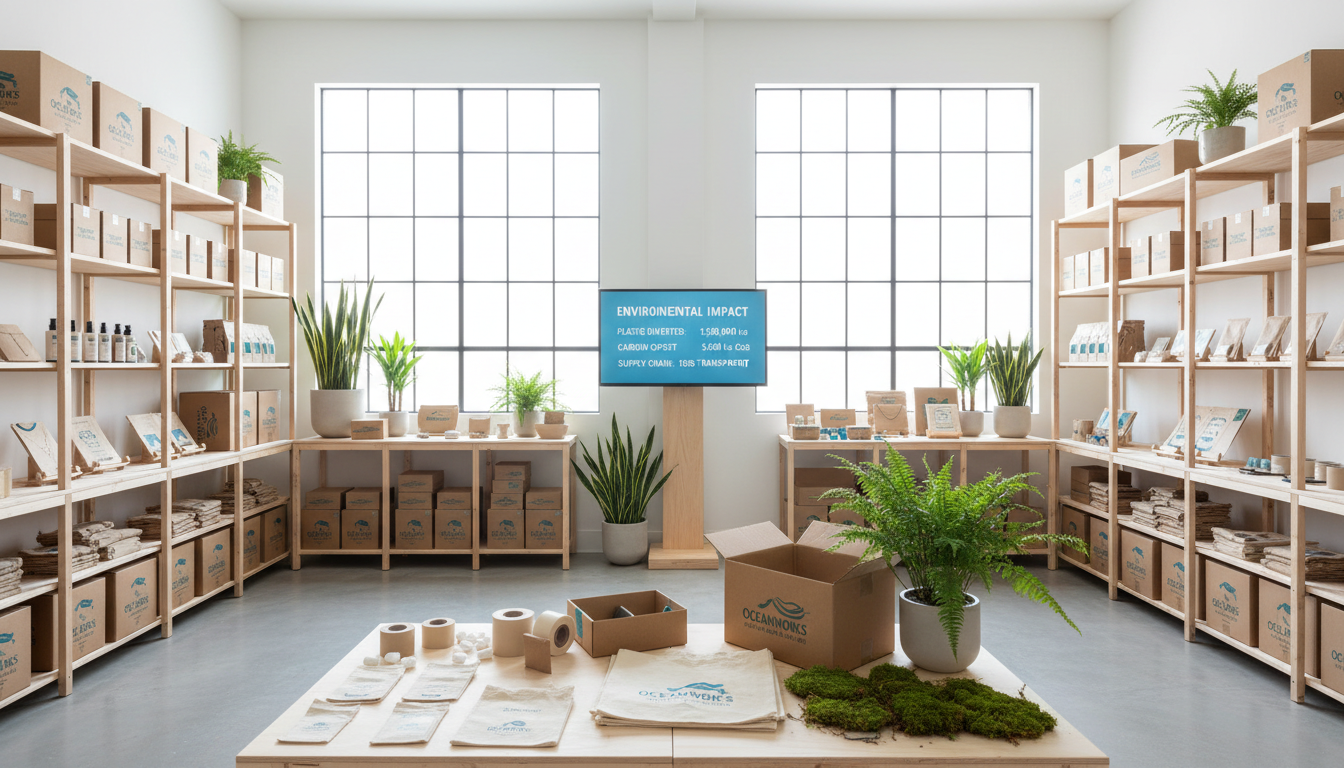
Energy Efficiency Innovations
One of the cornerstone principles of sustainable warehouse design is energy efficiency. Modern warehouses incorporate LED lighting systems that significantly reduce energy consumption compared to traditional lighting. Additionally, motion sensors and smart lighting controls ensure that lights are only used when necessary, further conserving energy.
Another innovative approach is the integration of solar panels on warehouse rooftops. By harnessing solar energy, warehouses can generate a substantial portion of their power needs, reducing reliance on non-renewable energy sources. This not only cuts down on electricity costs but also contributes to a reduction in carbon emissions.
Water Conservation Techniques
Water conservation is another critical component of sustainable warehouse design. Implementing rainwater harvesting systems allows warehouses to collect and store rainwater for non-potable uses such as irrigation and cleaning. This reduces the demand on local water supplies and promotes efficient water use.
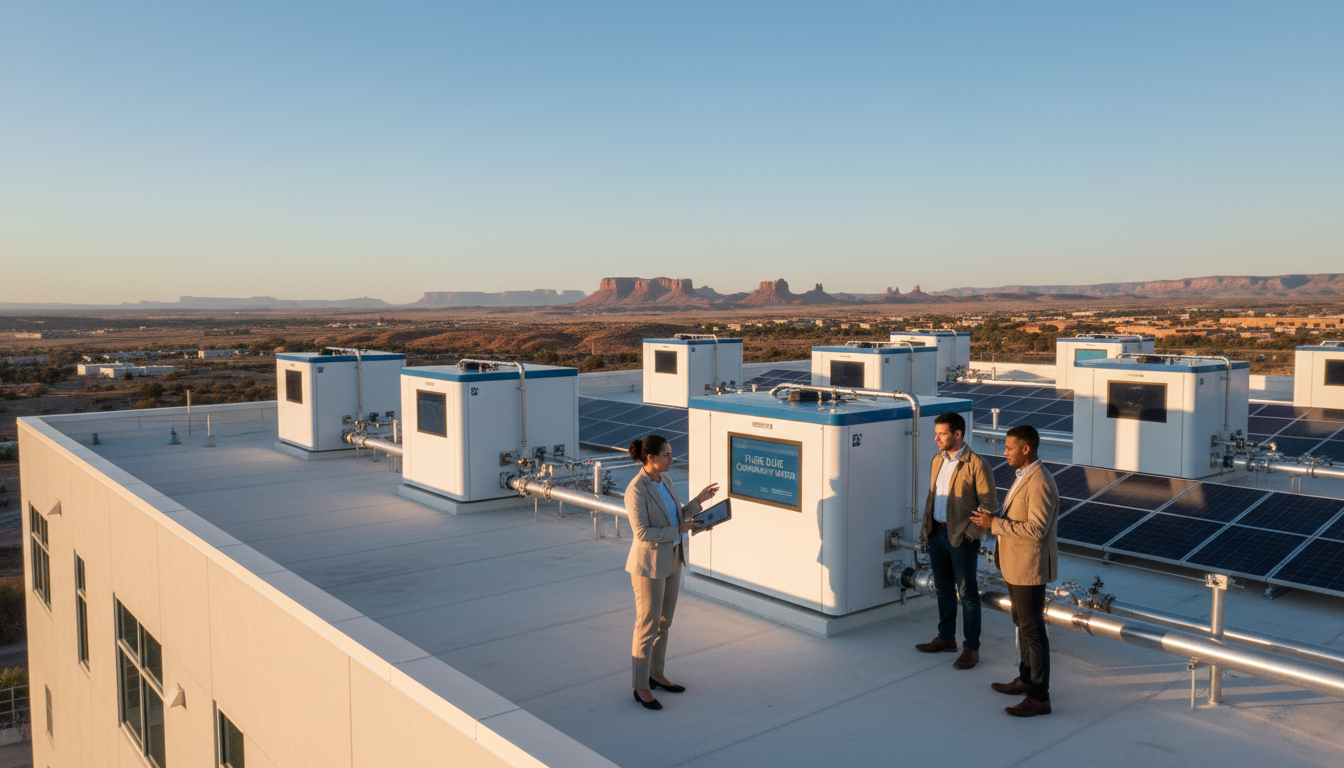
Low-flow plumbing fixtures are also increasingly common in eco-friendly warehouses. These fixtures reduce water usage without compromising functionality, making them a practical addition to any sustainable design plan.
Materials and Construction Practices
The choice of materials plays a significant role in sustainable warehouse design. Using recycled and locally sourced materials reduces the carbon footprint associated with transportation and manufacturing. Additionally, sustainable construction practices, such as minimizing waste and employing green building techniques, contribute to environmental conservation.

Innovative insulation solutions also help maintain optimal temperature conditions within the warehouse, reducing the need for excessive heating or cooling and thus conserving energy.
Smart Technology Integration
Smart technology is transforming warehouse operations, making them more efficient and sustainable. Automated systems and IoT devices enable real-time monitoring and management of energy use, optimizing operational efficiency. This integration allows for predictive maintenance, reducing equipment downtime and extending the lifespan of warehouse assets.
Furthermore, implementing a robust warehouse management system (WMS) can streamline inventory processes, reduce waste, and improve resource allocation, all while supporting sustainability goals.
Conclusion
The trend towards sustainable warehouse design is not just a fleeting movement; it is an essential transition for the future of industrial spaces. By embracing these innovations, businesses can create eco-friendly environments that are both cost-effective and environmentally responsible. As sustainability becomes increasingly important, staying ahead of these trends will be crucial for companies looking to thrive in a greener economy.