
The Future of Sustainable Warehouse Designs: Innovations and Trends
Introduction
The world of warehousing is undergoing a remarkable transformation, driven by the increasing demand for sustainability. As businesses aim to reduce their environmental footprint, innovative and eco-friendly warehouse designs are becoming the norm. Let's explore some of the most promising trends and innovations shaping the future of sustainable warehouse designs.
Energy Efficiency
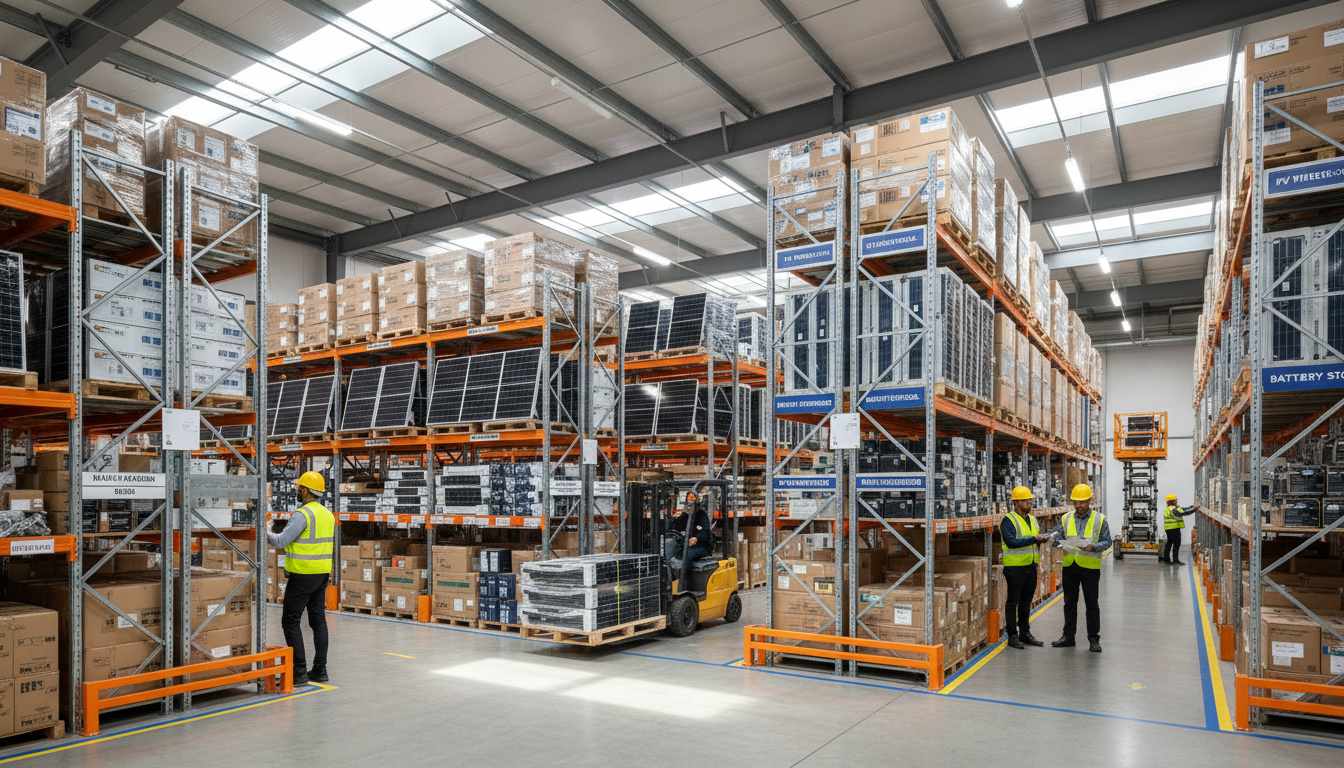
Energy efficiency is at the forefront of sustainable warehouse design. Modern warehouses are incorporating solar panels, LED lighting, and energy-efficient HVAC systems to reduce energy consumption. These technologies not only lower operational costs but also significantly cut down on carbon emissions.
Additionally, smart energy management systems are being implemented to monitor and optimize energy usage. By utilizing sensors and automation, these systems can adjust lighting, heating, and cooling based on occupancy and natural light availability, ensuring minimal energy waste.
Renewable Energy Integration
The integration of renewable energy sources is another significant trend. Warehouses are embracing wind and solar power to generate clean energy on-site. This shift not only supports sustainability goals but also provides long-term cost savings through reduced reliance on traditional energy sources.
Building Materials and Construction
The choice of building materials plays a crucial role in sustainable warehouse design. Eco-friendly materials such as recycled steel, bamboo, and reclaimed wood are gaining popularity. These materials not only minimize environmental impact but also enhance the durability and aesthetic appeal of warehouse structures.
Furthermore, modular construction techniques are being adopted for their efficiency and sustainability. By prefabricating components off-site, companies can reduce waste and accelerate construction timelines, leading to a more sustainable building process.
Green Roofs and Walls
Incorporating green roofs and walls is a growing trend in sustainable warehouse design. These features provide natural insulation, reduce the urban heat island effect, and improve air quality. Additionally, they create a more pleasant environment for employees and can even contribute to local biodiversity.
Water Conservation
Water conservation is another key aspect of sustainable warehouse design. Rainwater harvesting systems are being installed to collect and utilize rainwater for non-potable uses such as irrigation and cleaning. This reduces the dependency on municipal water supplies and lowers water bills.
Moreover, warehouses are implementing low-flow fixtures and water-efficient landscaping to further minimize water usage. By prioritizing efficient water management, warehouses can play a significant role in preserving this vital resource.
Conclusion
The future of sustainable warehouse designs is bright, with numerous innovations and trends making a significant impact. From energy efficiency and renewable energy integration to eco-friendly building materials and water conservation, these advancements are shaping a more sustainable and environmentally responsible industry. As businesses continue to prioritize sustainability, the adoption of these practices will only grow, paving the way for a greener future.